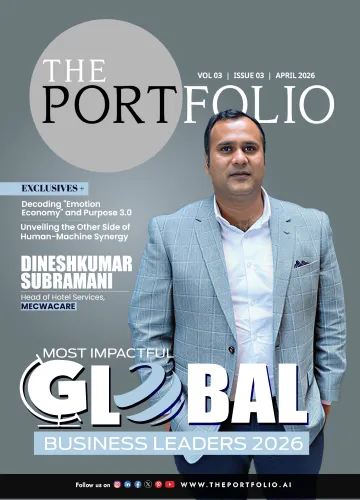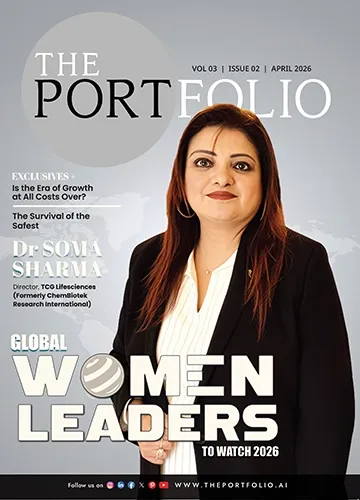


Top leaders like Elon Musk and Steve Jobs are known for their efficiency. Their ideas and vision laid the groundwork for success. But what happens to the company after they leave? A study named “Founder CEOs and innovation: Evidence from CEO sudden deaths in public firms” by researchers Jongsoo Kim and Joon Mahn Lee in Research Policy found that companies experience a 43.8% drop in their citation-weighted patents after the founder departs, even when R&D spending remains the same. This is because founder-CEOs are more willing to take big risks on new, exploratory innovations, while successors tend to stick to safer, incremental changes.
The Danger Zone
At first, having the founder as the main leader works really well. Things move quickly, and everyone shares the same vision. But when the founder leaves whether they choose to, are pushed out, or pass away the company’s problems come to light. Apple nearly fell apart after Steve Jobs left in 1985 and didn’t get back on track until he returned years later. Starbucks has relied so much on Howard Schultz that the company is not functional without his leadership.
The 2025 CEO Turnover Data shows that in the first quarter of 2025, 646 CEOs left their jobs, up 43% from the same time in 2024. A famous longitudinal study by Leadership IQ, titled Executive Failure Rates, shows that the chances of new leaders failing are pretty high, with about 27% to 46% considered failures within two years.
From One-Man Show to Institution
The solution is not having a better founder, but finding a different way of running the company, one based on the entire structure, not just personality. For instance, just like a country doesn’t fall apart when a president leaves because it has a constitution, a business needs rules, clear decision-making, and a solid system that outlives any one person.
A comprehensive global leadership and talent benchmarking study named ‘The Definitive Guide to Leadership Development,” conducted by the Josh Bersin Company, shows that the companies that keep planning for leadership changes all the time feel more confident about their future than those that only start when a problem appears, 90% versus 35%. This confidence isn’t just a feeling; 76% of leaders who plan well for leadership changes and future leaders see better financial results than others. Companies that focus on good processes always outperform those that rely on individuals, again and again, across all kinds of industries.
The Three Pillars of Institutional Longevity
Have a backup plan in place before it’s needed. Emergency succession plans shouldn’t be created just a week before a founder announces they’re leaving; by then, it’s too late. The 2026 Deloitte Private Family Business Survey reveals that the boards recognise this urgency. Over 20% expect a CEO change within 18 months, and 30% within three years. Most family businesses face a succession paradox: 85% say succession planning is important, but only 57% have a plan, and just 23% are actually putting one into action.
Focus on building a strong team below the top, not just the CEO. Succession is about whether the people under the top directors, VPs, and managers can handle a crisis without shaking the whole company. The National Association of Corporate Directors says 74% of public companies find developing talent their toughest challenge, mainly because they start planning too late and too high up.
Additionally, put governance on autopilot. Systems should handle daily operations. Getting this right can save a lot of money. Poor succession planning costs public companies about $1 trillion each year, while companies with strong plans see 20 to 25% higher investor returns. Good governance is what keeps things running when the founder isn’t around.
The true test of a leader is how replaceable they are. A company that falls apart when the founder leaves wasn’t truly built; it was just borrowed time. The real success is a business that keeps growing after the founder is gone. That is what truly matters. The true test of a leader is not being the hero of the execution, but creating a roadmap of survival without them.
FAQs:
Q1: What happens to innovation after a founder-CEO leaves?
Companies see a 43.8% drop in citation-weighted patents after a founder departs, even when R&D spending stays the same.
Q2: How costly is poor succession planning for companies?
Weak succession planning costs public companies about $1 trillion annually, while strong planning boosts investor returns by 20-25%.
Q3: How many family businesses actually have a succession plan?
While 85% say succession planning is important, only 57% have one, and just 23% are actively implementing it.
Q4: Why is building a strong leadership bench important?
74% of public companies struggle to develop talent because they start succession planning too late and too high up.